AI
From a 2023 chatbot to building products with AI
An early AI experiment was a focused chatbot. Today, AI supports my product work, while I remain responsible for the thinking, design and decisions.
- Written by
- Navas Moideen
- Published
In 2023, I built a simple chatbot tailored to career and wellbeing guidance. It was a focused experiment: could AI make that kind of information easier to explore through a conversation?
Today, I use AI to help build complete digital products, from early ideas and interfaces to the systems behind them. The change in what I can execute is substantial. The responsibility for deciding what to build, how it should feel and whether it is ready to use still sits with me.
From answering questions to helping build the product
That early chatbot put AI inside the experience. Now, AI is also part of the process I use to create an experience. Those are different things. A client portal built with AI assistance does not need an AI feature to be valuable.
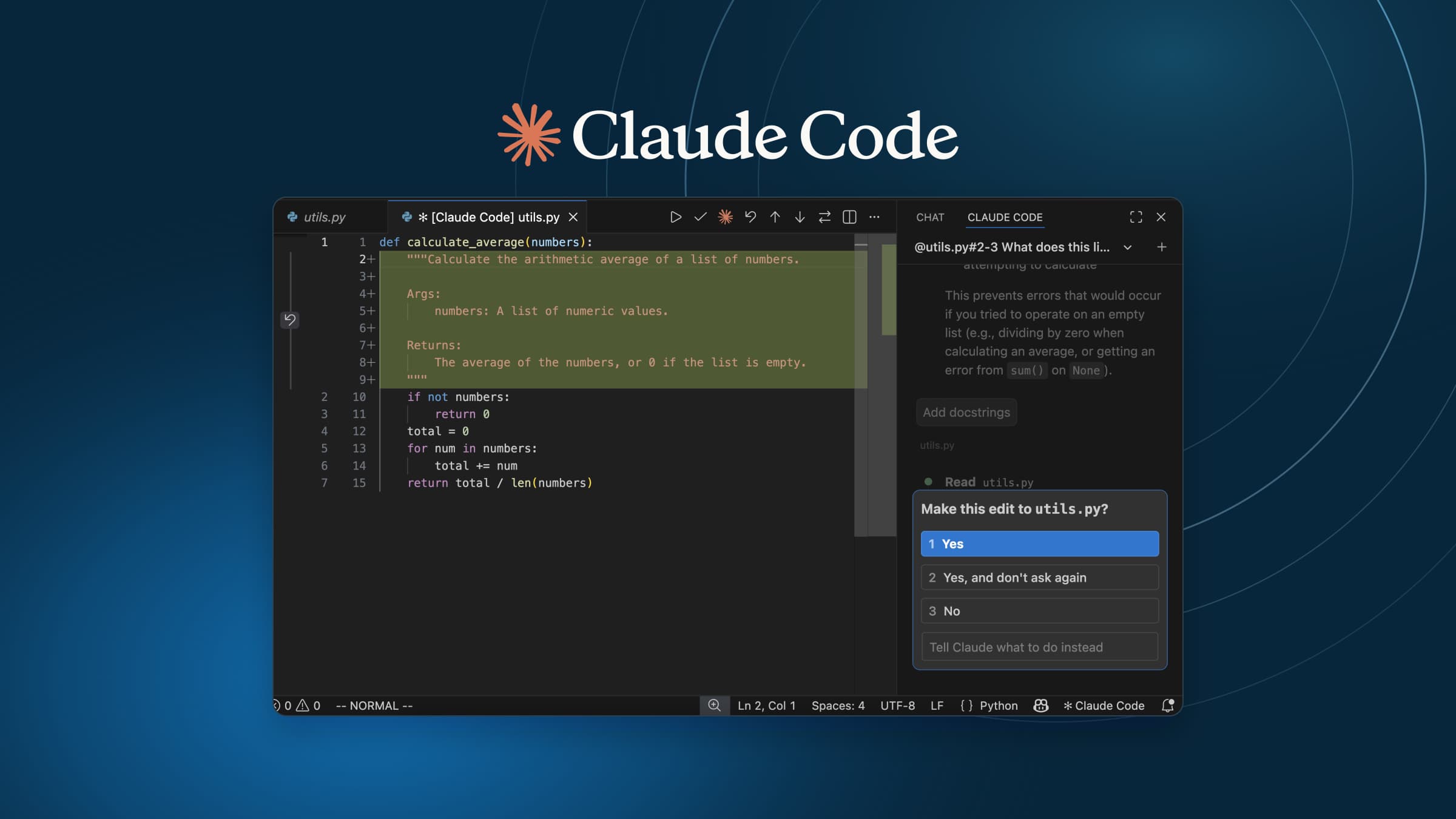
Coding tools increasingly support work across several steps: exploring an existing project, proposing changes, implementing them and running checks. Anthropic's Claude Sonnet 5 release, for example, describes a model designed to plan and work with tools such as browsers and terminals.
For me, the useful shift is the shorter distance between a question and something I can inspect. I can explore a product direction, turn it into a working version and use that version to make a better next decision.
Faster execution makes the brief more important
When implementation becomes faster, an unclear brief can turn into the wrong product faster too. I want to understand the job someone is trying to do before deciding which features belong in the solution.
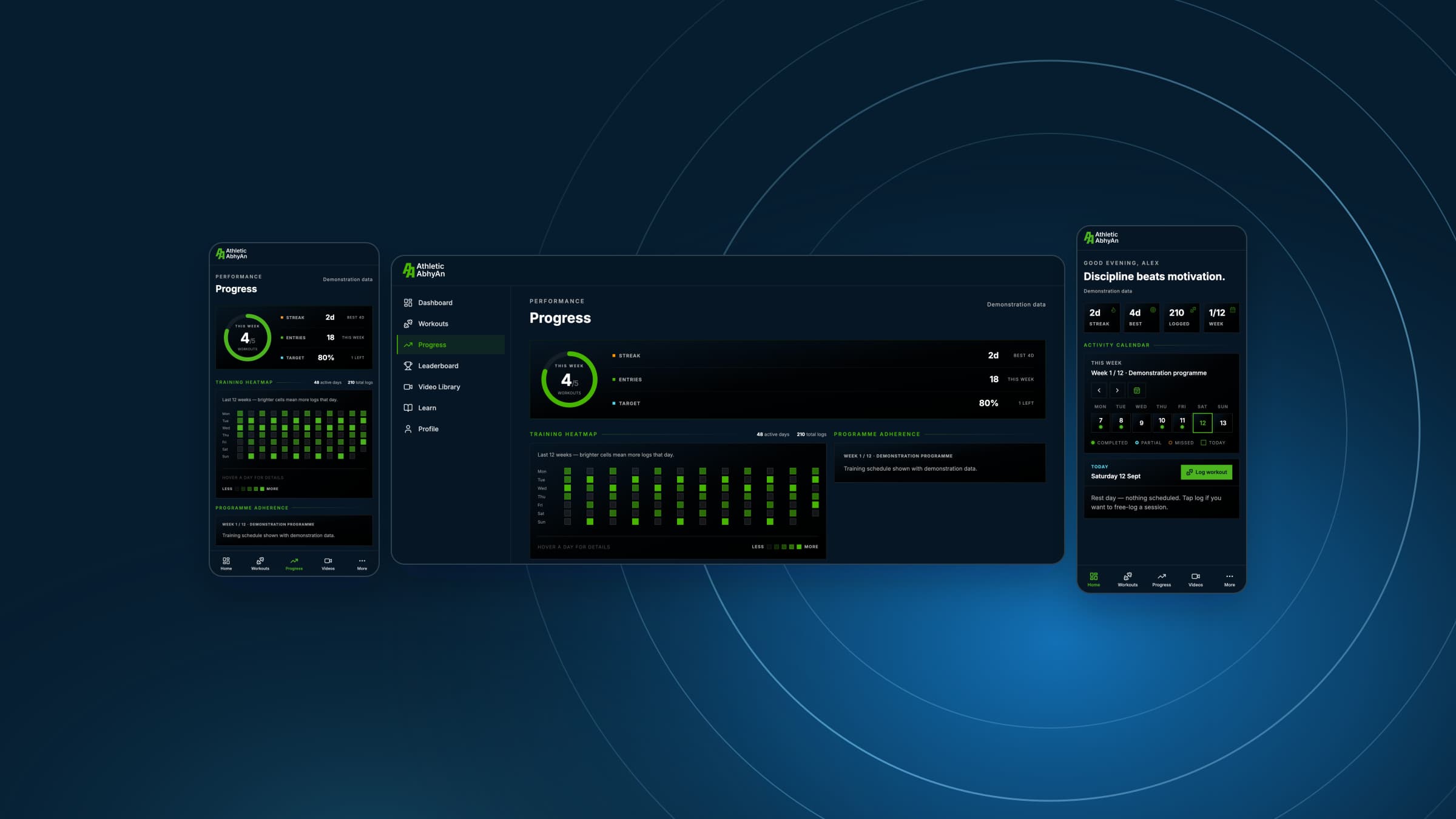
Take a coaching portal. Building a screen to log a workout is one task. Deciding what a member should record, what the coach needs to see and how little effort that should take is product work. AI can help with the implementation, but it cannot replace a conversation with the people using it.
That distinction matters in my work on Athletic AbhyAn. What began as a marketing website has grown into a wider platform, including a coaching portal. The opportunity comes from understanding the business beyond the original brief and continuing to shape the product together.
A working demo is not the finish line
I use AI to help deliver production-ready tools, but production readiness is something I have to establish. A polished interface or a passing test is only part of the evidence.
Before a product is ready for real use, the questions become more practical:
- Can each person access only the information and actions they should?
- What happens when a connection fails or someone enters unexpected information?
- Does the experience work on a phone and with a keyboard?
- Can the product be maintained and changed without making the next step unnecessarily difficult?
Human oversight needs to be visible in those decisions and checks. It means reviewing changes, testing meaningful user journeys and being willing to reject work that looks convincing but does not hold up.
The value I bring is the whole product
I am interested in what faster execution makes room for: exploring an alternative, listening more closely, refining an awkward interaction or solving a problem that previously felt out of reach.
My role brings together product thinking, design taste and the technical fluency to build. AI expands that toolkit. It does not take over the relationship with the client or the judgement behind the work.
If your project needs someone to help shape the idea as well as build it, let's talk about what it could become.