AI
What can AI models do in 2026? A product builder's view
A practical look at GPT-6 Astra, Claude Fable 5.1 and Gemini 3.8 Flash, and what their documented capabilities could mean for businesses.
- Written by
- Navas Moideen
- Published

AI models can now help write and revise software, interpret visual material and work through tasks using connected tools. For a business considering a new product, that creates more room to test ideas and tackle useful work. A clear brief and an accountable builder still matter.
As a product builder, I pay attention to releases for what they make practical. Here is my view of the capabilities that matter in September 2026, and how to think about applying them.
The shift from a reply to a workflow
A model generates and reasons about information. An agent connects a model to tools and a process, so it can take steps towards a task rather than only describe them.
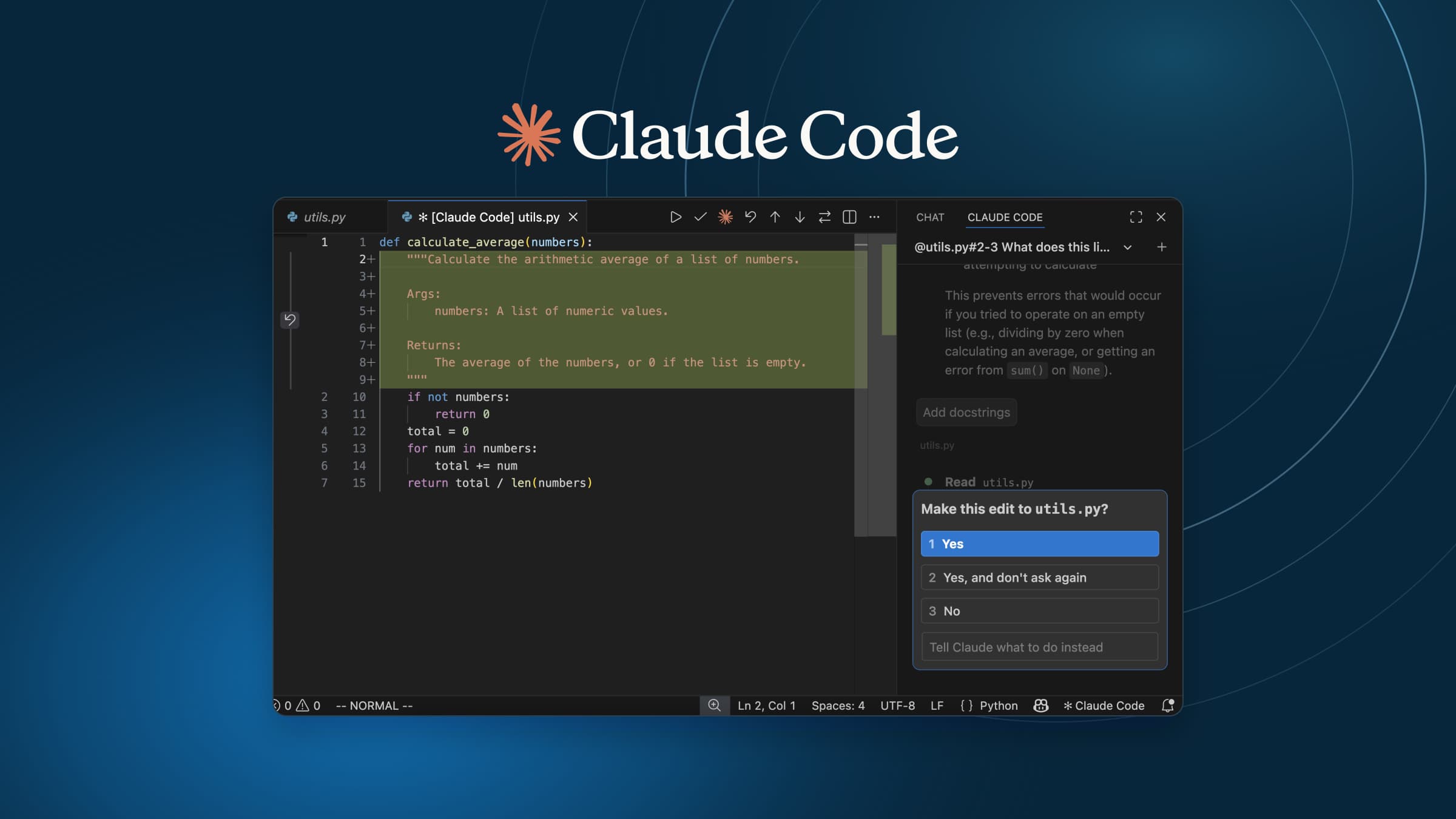
In a development environment, that might mean reading relevant code, making a change, running a test and using the result to revise the work. With browser access, it can also help inspect an interface. What it can actually do depends on the surrounding software, the context provided and the permissions it has.
This distinction matters when judging a demo. A capable model is one component. A dependable workflow also needs boundaries, checks and a clear definition of done.
Three current models worth understanding
GPT-6 Astra: OpenAI positions Astra for complex reasoning, coding, computer use, research and document creation. Its official model documentation lists support for tools including web search, a shell and computer use. My takeaway is the scope for connected work across research, implementation and review, when the application provides the necessary tools.
Claude Fable 5.1: Anthropic describes improvements in coding, knowledge work and longer problem-solving tasks in its Fable 5.1 announcement. For product work, the important question is whether a model can keep a task coherent through several rounds of implementation and checking. That is something to test on the actual project, not assume from a launch chart.
Gemini 3.8 Flash: Google's model card describes a model that accepts text, images, audio and video, with text output. That opens up possibilities for working with mixed material, such as a written brief and screenshots. It does not mean this particular model generates images, and Google also documents limitations including hallucinations.
These are provider descriptions, not my own comparative benchmark results. Access, connected tools and configuration vary. I would choose and evaluate a model around the work it needs to do, not its position in a launch announcement.
Where the opportunity is for a smaller business
I see three useful starting points:
- Test a product direction. Turn a specific problem into a working prototype that people can try, then use what you learn to decide what deserves a fuller build.
- Improve a repeated workflow. Identify the information people copy, check or organise by hand. Explore where software and AI assistance could help, with review before consequential actions.
- Develop a stronger creative direction. Use AI-assisted exploration to compare ideas and visual approaches, then refine the selected direction against the brand and the user experience.
None of these requires putting a chatbot on the homepage. Sometimes AI belongs behind the scenes, helping create a better product rather than becoming a feature the customer has to use.
Capability still needs judgement
A model can produce confident output that is incomplete or wrong. A useful proposal can still be inappropriate for the business. More capable agents make permissions and review more important because they can affect more than a paragraph of text.
My approach is to define the problem, keep the scope clear, inspect the work and test the outcome. Sensitive information and actions that publish, send, spend or alter live records need particular care.
I have written more about my journey from an early chatbot to AI-assisted product development and the creative side of my workflow. The common thread is using technical capability in service of a considered product.
If you have a product idea or an awkward workflow, let's work out what is worth building. The starting point is your challenge, not a model name.
Cover image: Gemini logo, Source: Google. OpenAI and Claude marks belong to their respective owners.