AI
How I use AI for ideas, design and the work around them
From brainstorming and brand imagery to prototypes, agents and admin: where AI fits into my product business, and where taste and judgement make the difference.
- Written by
- Navas Moideen
- Published
Some of my most useful AI work happens before there is anything to build. A loose idea becomes a direction I can question. A visual reference becomes several possibilities. A conversation becomes a prototype that makes the next discussion more useful.
I use AI across the creative and operational sides of NMO Digital. It helps me explore, make and keep work moving. The interesting part is learning where it adds something, and where my own taste, context and attention need to take over.
A brainstorming partner, not a substitute for listening
I use AI to explore different ways of framing a problem, challenge an early idea and find questions I have not asked yet. Sometimes the most useful response is one I disagree with: explaining why helps me sharpen the direction.
For example, I might ask what would make an onboarding flow confusing or which assumptions an idea depends on. Those suggestions are prompts for investigation. They are not research findings, and an imagined user is not a substitute for listening to a real one.
The value is having more possibilities to consider before I commit to a design or a build.
Creating visuals with a clear point of view
I also use AI to create assets and explore brand imagery. Consistency comes from the direction I give it and the decisions I make afterwards, not simply from generating a lot of options.
For a series of images, that direction might define the palette, lighting, composition and materials, while letting each image tell a different story. I want the results to feel related without becoming interchangeable.
An attractive image still has to earn its place. Does it support the message? Does it fit the brand? Does it work in the actual layout and at smaller sizes? Are there visual details that undermine its credibility? Source permissions and intended use matter too. Generated imagery should never stand in for evidence of a real client result.
Prototypes make ideas easier to question
A quick prototype gives people something more useful to react to than a description alone. It can reveal that a flow needs fewer steps, that the hierarchy is wrong or that the proposed feature is not solving the main problem.
The tools are becoming more responsive to visual direction. In its August release of Gemini 3.7 Flash, Google describes improved adherence to screenshots, images and design systems when generating interfaces. That is useful progress, but following a reference does not establish that a design is usable.
I still need to inspect the result, put it into context and learn from the response. The prototype helps me ask a better question; finishing the product still takes further work.
Agents and skills help repeat the useful parts
I use agents and skills in my iterative workflow too. An agent can work through a clearly defined task using the tools it has access to. A skill is a reusable set of instructions and supporting material for a particular kind of work.
For a recurring creative task, that can mean keeping the brief, brand constraints, output format and review criteria together. The method is easier to repeat, while the outcome can still respond to the project.
The same approach is useful on the admin side of running a business: organising information, preparing drafts and reducing repetitive preparation. The boundaries matter here. Preparing a draft is different from sending it, and suggesting an update is different from changing a business record.
Experimentation with a quality bar
I keep experimenting because using these tools is how I learn their strengths and limitations. For clients, the benefit should be visible in clearer ideas, more considered design and a better finished experience.
That is what premium means to me: care and consistency across the whole product. You can see that focus in my selected work, or bring me a challenge you would like to explore.
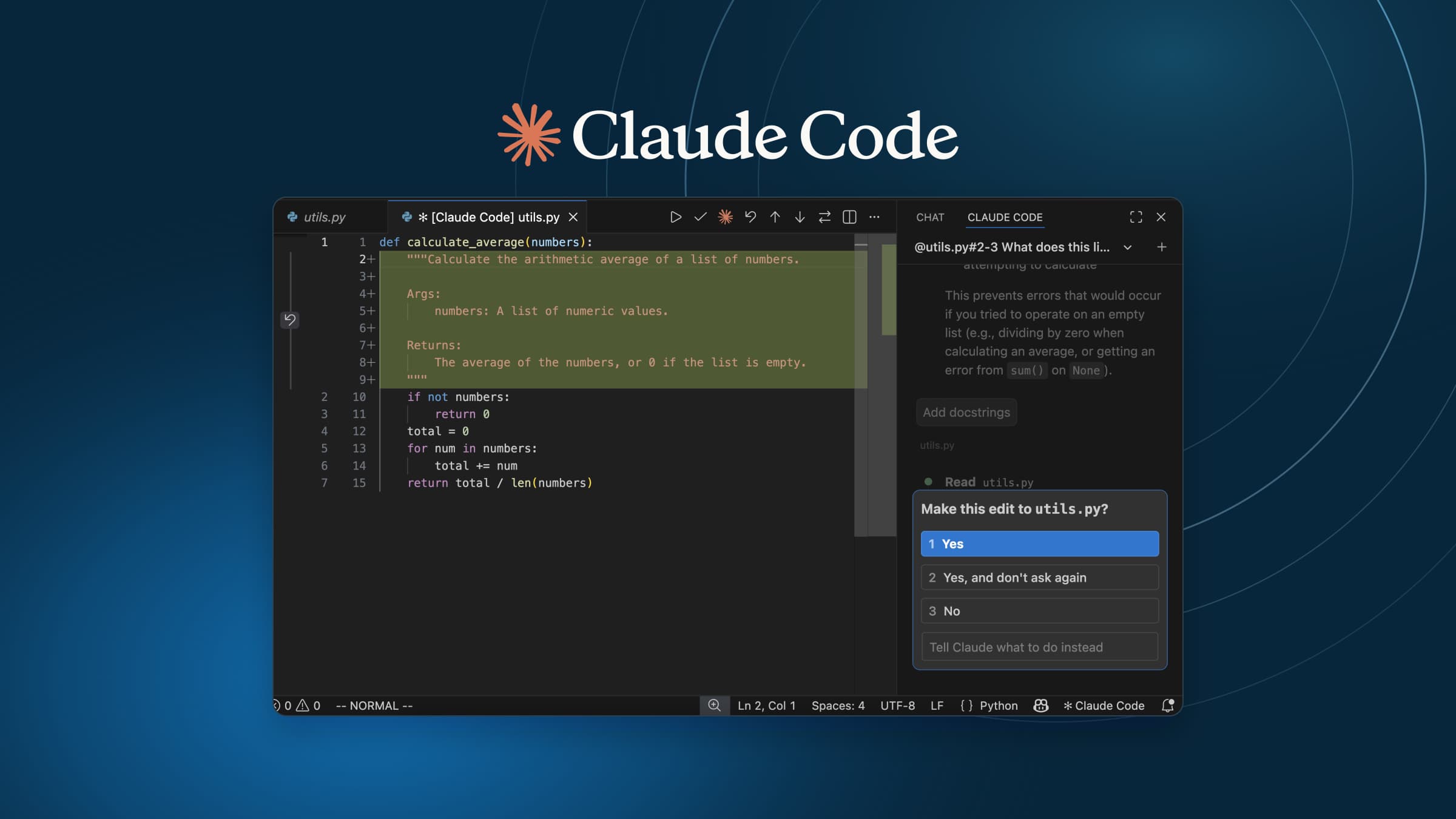
Cover image: Claude Code branding and interface from Anthropic's official media and documentation.