Performance
Why Website Speed Matters for Your Business
A slow website costs you customers. Here is what actually affects speed and what you can do about it.
- Written by
- Navas
- Published
Your Customers Notice, Even If They Do Not Say It
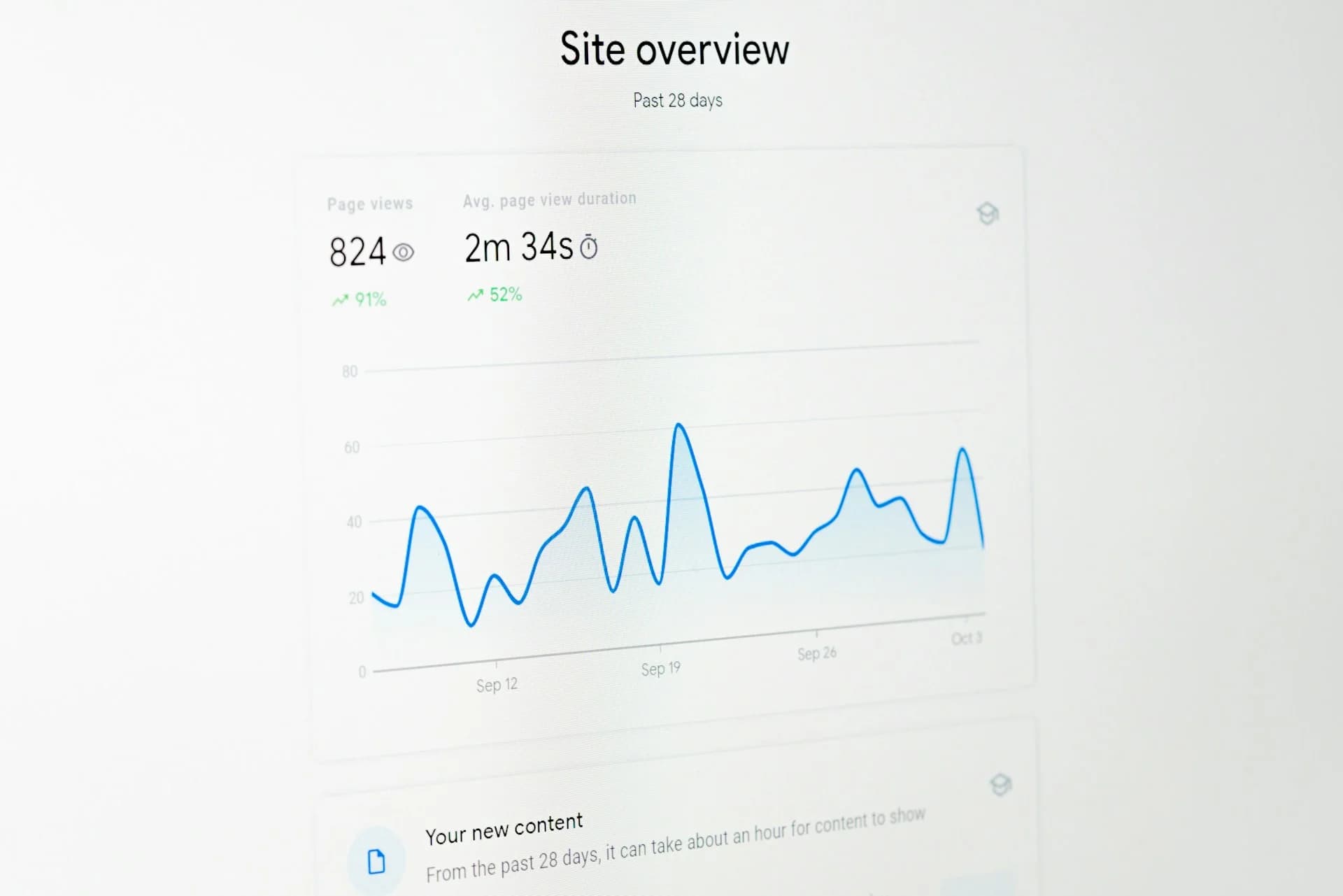
When someone visits your website, they form an opinion within seconds. If the page takes too long to load, most people will not wait around. Research consistently shows that if a site takes more than three seconds to load, a significant number of visitors will leave before they even see your content. They do not complain. They do not send you feedback. They just leave and go to a competitor.
This is not about impatient people. It is about expectations. We are all used to fast experiences online. When a site feels sluggish, it signals something. Maybe the business does not care about details. Maybe the product or service will be equally slow. Fair or not, speed shapes perception.
What Makes Websites Slow
Most slow websites suffer from a handful of common issues. Understanding them helps you have better conversations with your developer.
Large images are the most frequent culprit. A single unoptimised photo can be several megabytes, which is enormous for a web page. Properly sized and compressed images can be a fraction of that size with no visible loss in quality.
Too much code is another common problem. Some websites load dozens of scripts, fonts, and stylesheets before anything appears on screen. This often happens with template-based sites that include features you are not even using. Every extra file the browser has to download adds to the loading time.
Poor hosting also plays a role. Cheap hosting plans often mean your site shares resources with hundreds of other websites. When traffic spikes, performance drops. Where your server is located matters too. If your customers are in the UK but your site is hosted on the other side of the world, every request has to travel further.
What Good Performance Looks Like
You do not need to understand technical metrics to know if your site is performing well. In plain terms, your pages should load in under two to three seconds on a normal internet connection. When you click a link or button, the response should feel instant. Images should appear smoothly, not pop in one by one. The site should feel just as fast on a phone as it does on a laptop.
There are free tools that can test your site speed and give you a score. Google's PageSpeed Insights is the most well-known. If your score is below 50 on mobile, there is significant room for improvement. Above 80 is good. Above 90 is excellent.
Speed and Search Rankings
Google has been using page speed as a ranking factor for years. If two sites have similar content and authority, the faster one will generally rank higher. Google also measures what they call Core Web Vitals, which look at how quickly content appears, how stable the layout is as the page loads, and how quickly the site responds to user interaction.
This means a slow website is not just frustrating for visitors. It is actively working against you in search results. If you are investing in content, SEO, or advertising to drive traffic to your site, a slow experience is undermining that investment.
What to Ask Your Developer
If you are commissioning a new website or reviewing an existing one, here are practical questions to raise with your developer.
How are images being handled? Are they automatically optimised and served in modern formats? What is the current PageSpeed score on mobile, and what is the target? Are we loading any scripts or resources that are not actually needed? Where is the site hosted, and is it appropriate for our audience? Have you set up caching so returning visitors get a faster experience?
A developer who takes performance seriously will have clear answers to these questions. If they seem dismissive or unfamiliar with the topic, that is a red flag.
Speed Is an Ongoing Commitment
Performance is not a one-time fix. Every new image uploaded, every new feature added, every third-party tool integrated can affect speed. The best approach is to build with performance in mind from the start and then monitor it regularly.
For every project I work on, performance is baked into the process from day one. It is not an afterthought or an optional extra. Because ultimately, a beautiful website that nobody waits around to see is not doing its job.